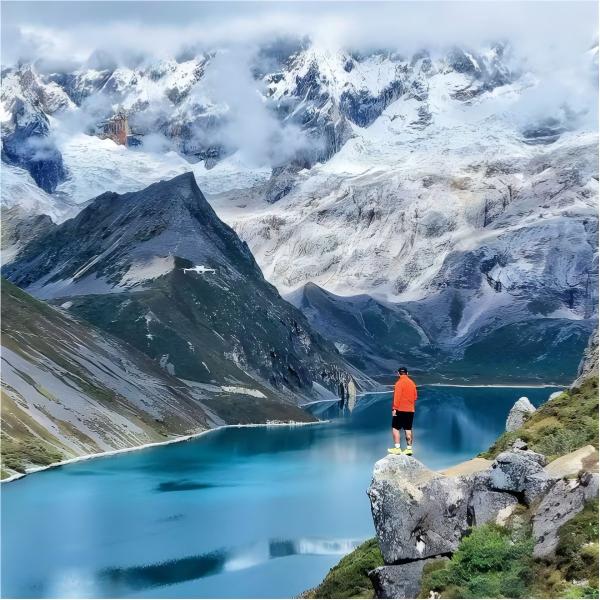
Travel today is no longer just about going somewhere; it is about coming back with images that speak. At I am Happy Tour,our unique photographer team puts you in the right place at the right time with the right light, so every shot is frame‑worthy. Whether you are a seasoned professional with a full gear bag or a traveller who simply wants stunning photos for your social feed, we design photography journeys that turn your lens into a passport to China’s soul.
The world has caught photo fever. On Xiaohongshu, searches for photo‑worthy travel guides have surged seventeen‑fold in three years, far outpacing traditional content like food recommendations or transport guides. Domestic travel photography visits are expected to reach 33.56 million in 2026, up from 30 million in 2025, and the global adventure photography market is projected to grow at a compound annual rate of 8.1 percent through 2033. With over 6,000 travel photography enterprises now operating across China, and more than 2,500 new businesses registered in 2024 alone, it is clear that getting the shot has become a travel essential. The trend is driven by the pursuit of producing striking, shareable images. Travellers no longer just see the sights; they want to become part of the scene. From immersive photo shoots in traditional costumes to capturing cinematic landscapes, photo‑first travel is reshaping how people explore China.
Our landscape photography tours take you to China’s most iconic natural backdrops. Guilin and the Li River offer misty karst peaks rising from mirror‑like waters, best captured during golden hour and after rain when the fog simplifies backgrounds. Drifting bamboo rafts and farmers toiling in the fields give every scene both beauty and story. Zhangjiajie’s soaring sandstone pillars, which inspired the floating mountains in Avatar, become dreamlike when mid‑morning fog rolls in. The Great Wall at Mutianyu and Jinshanling gives you texture and fewer crowds when you time your visit early; we know the side gates with shorter morning queues and the secondary ridges that yield your favourite frames. Xiapu mudflats, hailed by National Geographic China as the most beautiful mudflats in the country, offer peak photo opportunities during the June seaweed harvest, when spring tide and misty light create a vibrant green seascape across thousands of acres, with tiger‑stripe tidal patterns, fisherman silhouettes at sunrise, and S‑shaped curves of fishing boats. Yuanyang rice terraces reflect the sky in ever‑changing ways during seasonal water fill, and Zhangye Danxia’s rainbow mountains look like a rendering error in a digital simulation – surreal, striated hills that have become one of the most searched‑for sights in Northwest China.
Beyond the icons, we seek out hidden gems and treasure towns – lesser‑known destinations that deliver big visual impact on a smaller crowd footprint. In 2025, places like Arxan, Tengchong, Dunhuang, Wuyuan, Yanji, Shangri‑La, Pingtan, Puer,Ejina Banner, Anji, and Tonglu saw explosive growth, with Arxan’s autumn foliage tours seeing a 340 percent surge in interest. Off‑the‑grid wonders include Jingbian’s Wave Valley in Shaanxi, Diebu’s breathtaking secret spots with no crowds, Chenzhou’s Xiaodongjiang where morning mist over the river creates ethereal scenes, and Chaka Salt Lake, the Mirror of the Sky. Seasonal spectacles drive much of our planning: spring flower appreciation searches surge 380 percent month‑on‑month from early March, while autumn foliage in the Greater Khingan Range, Panjin Red Beach, and Benxi’s China Maple Leaf Road are autumn photography hotspots.
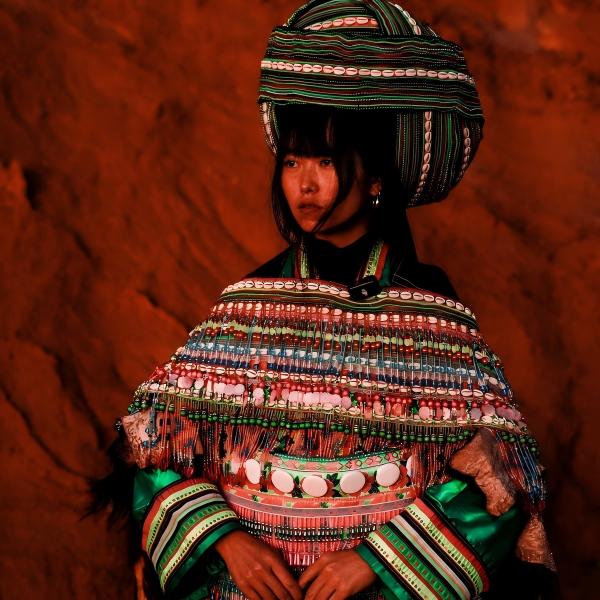
Cultural and ethnic photography is another pillar of our work. China is home to 55 officially recognized minority groups, each with distinct costumes, architecture, and rituals – a photographer’s paradise for portraiture and storytelling. Yunnan is described as one of the most photogenic places in China, with Tibetan monasteries, ancient caravan routes, timeless villages, and colourful minority markets. Guizhou’s Miao and Dong communities dazzle with silver jewellery, embroidered costumes, and wooden stilted villages. Our multi‑day tours capture these vibrant cultures, and we also arrange visits to Hunan’s ethnic heartland, where hundreds of international photographers have recently captured the scenery of Furong Town, Fenghuang Ancient Town, and Shibadong Village. Xishuangbanna offers Dai culture with water‑splashing festivals, tropical rainforests, and golden temples, where immersive travel photography has created a full industry chain including costume, styling, and photography services.
One of the fastest‑growing trends is Hanfu photo tourism – dressing in traditional Chinese attire and becoming part of the historical landscape. In Xi’an’s Datang Everbright City, over 70 percent of visitors change into period costumes, and in Luoyang, historic districts now host over 110 Hanfu‑related businesses. We offer themed shoots such as Guarding the Great Wall, Silk Road Envoy, and Moon Over the Frontier, as well as Hanfu experiences in ancient capitals like Beijing, Xi’an, Luoyang, and Nanjing, plus ethnic costume shoots featuring Miao silver, Tibetan robes, and Dai tube skirts.
For urban and night photography, China’s megacities deliver dramatic scenes. Shanghai’s Bund at blue hour, the Magnolia Observation Deck 320 metres above the city, and the neon river angles of the Huangpu are legendary. Chongqing offers a futuristic skyline reflected in the Yangtze with stunning river angles at night. In Beijing, the Forbidden City, the Temple of Heaven at night from the Hongqiao Market rooftop, and the Simatai Great Wall combine ancient history with natural beauty.
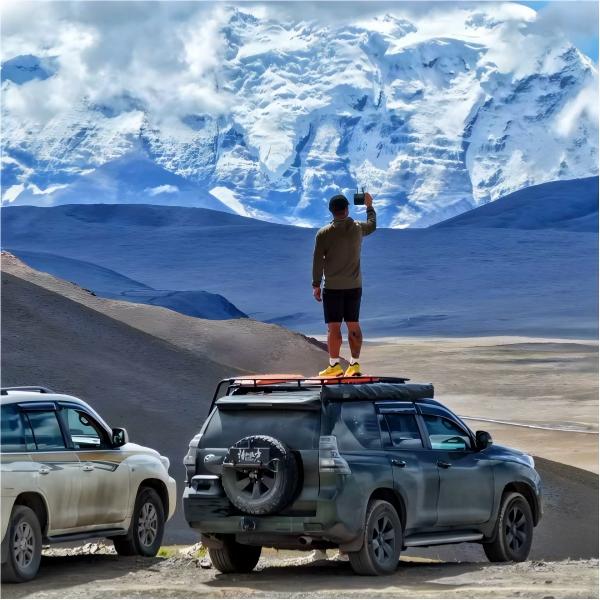
Adventure and action photography are also on the rise. Self‑driving routes along the Duku Highway, Ulan Buh, Gannan, Western Sichuan, and the Jiaodong Peninsula offer drive‑and‑shoot experiences. Trekking and hiking at Tiger Leaping Gorge and Yubeng – recently named by the New York Times as one of 52 Places to Go 2026 – reward you with new compositions at every turn. Even river‑tracing and fruit‑picking have seen a 130 percent year‑on‑year surge in search interest.
What sets China Best Photo Tours apart is our insider access and local knowledge. We know the side gates, the secondary ridges, and the hidden spots that local photographers favour, not the crowded influencer checkpoints. We brief our guides to front‑load golden‑hour windows so you avoid harsh noon contrast. We time our tours around seasonal peaks – the June seaweed harvest in Xiapu, the spring flowers, the autumn colours, the blue hour in cities, and the mist after rain – and we know exactly when to arrive, such as 4:30 AM for the Xiapu sunrise to capture the blue hour before sunrise. Our expert guidance supports every level, from smartphone shooters to professional DSLR users, with on‑location coaching on composition, light, and settings. We handle all logistics – permits, private transport, accommodation near prime shooting locations, and 24/7 support – and we are fully aware of drone regulations in China to ensure compliance. We never stage intrusive portraits without consent, we respect monastery photography prohibitions, and we ensure our presence benefits local communities. We believe the best photos tell stories, so our tours are built around themes, emotions, and connections, not just a list of coordinates.
From the golden light over the Li River to the morning mist over Yuanyang, from the vibrant costumes of a Miao festival to the neon glow of Shanghai at midnight, we put you in the right place, at the right time, with the right support. Whether you chase landscapes, cultures, cities, or adventures, we design a photo tour that delivers stunning images and unforgettable experiences.
Contact us today – your masterpiece awaits.