Travel today is no longer about ticking boxes; it is about following what truly moves you. Whether your curiosity lies in ancient civilisations, living traditions, cutting-edge industries, or the flavours of a single street corner, we design journeys that speak directly to your interests. At China Bespoke Tours, we believe the best travel is personal, immersive, and unforgettable. Here is how we bring your passions to life across China’s most compelling dimensions.
For the culture seeker, China’s intangible heritage lives not in glass cases but in workshops, festivals, and daily life. The pursuit of intangible cultural heritage experiences has become one of the fastest‑growing travel trends, with searches rising 71 percent month on month. Travellers no longer want to just watch; they want to participate. In Jingdezhen, the thousand‑year‑old porcelain capital, you can shape clay alongside master potters, where pottery‑making experiences have jumped 69 percent and small‑group immersive tours are steadily growing. In Quanzhou, the tradition of floral headdresses in Xunpu Village has become a vibrant cultural phenomenon, with search interest climbing 89 percent. In Dali, the Bai ethnic tie‑dye workshops in Xizhou Ancient Town let you take home a piece of living history, with searches up 67 percent. Suzhou invites you into the refined world of Kunqu opera, Pingtan storytelling, and Suzhou embroidery, where family study tours have grown 43 percent as families embrace the first lesson in Jiangnan culture. Chaozhou offers a different rhythm, with Gongfu tea ceremonies and local opera coming alive during night tours, transforming the ancient archway street and Guangji Bridge into after‑dark cultural stages. Chengdu draws visitors into Qinqiang opera, shadow puppetry, and puppet shows, with film and television IP driving new interest among younger travellers. From Huangshan and Pingyao to Qiandongnan, the map of intangible heritage is vast, and we take you right to its heart.
For history enthusiasts, China’s past is not a story you read but a world you step into. The appetite for deep cultural tours has grown 52.3 percent, with travellers flocking to destinations where the past is palpably present. Chengdu leads the nation as a historical and cultural hotspot, alongside Tai’an, Beijing, Suzhou, Shenyang, Xi’an, Huangshan, Luoyang, Datong, and Handan. In Xi’an, the Terracotta Army stands as one of archaeology’s greatest wonders, while wearing Hanfu to wander the ancient city has become a ritual for modern visitors. Beijing offers the Great Wall at Mutianyu and the imperial grandeur of the Forbidden City. Luoyang and Datong draw history lovers to the Longmen Grottoes and Yungang Grottoes, where Buddhist art carved into cliffs speaks across fifteen centuries. Sichuan has launched four themed routes tracing the Three Kingdoms era, bringing to life the ventures of the Shu Han kingdom, southern expeditions, ancient passes, and loyalist heritage. In Yunnan, the ancient Tea Horse Road offers a journey through trade routes that shaped Asia. In Dunhuang, the Mogao Caves hold some of the finest Buddhist art on earth, testament to the cultural exchange along the Silk Road. Whether you want to explore imperial capitals, Buddhist grottoes, or ancient trade routes, we craft itineraries that turn history into a lived experience.
For industry and innovation explorers, China’s manufacturing might is no longer hidden behind factory gates. Industrial tourism has become one of the fastest‑growing travel segments, with visitor numbers during the May Day holiday rising 95 percent year on year, ranking first among all cultural tourism sub‑sectors. The market is expected to grow roughly 18 percent annually, surpassing 300 billion yuan by 2029. In a landmark move, seven government ministries have jointly issued a policy to vigorously develop industrial tourism, encouraging factories to open their doors for production process observation, simulation operations, hands‑on experiences, and product customisation. For travellers who want to see innovation in action, we offer exclusive access to cutting‑edge facilities. At Geely automobile plants and other automotive factories, visitors witness fully automated robotic arms precisely fitting tyres in real time. At aerospace facilities and the Jiaxing rocket factory, you can stand beside the hardware pushing China into space. The 816 nuclear factory in Chongqing, a decommissioned underground military complex, offers a haunting journey into Cold War history. The Tsingtao Beer Museum transforms a 1903 industrial heritage site into an immersive brewing and tasting experience. In Shanghai, the Baosteel digital industry experience hall uses virtual reality to recreate the entire steelmaking process. The Shenyang machine tool industrial park combines digital projections with interactive games and virtual machine operations. Beijing’s Shougang Park has turned old blast furnaces into sci‑fi venues with metaverse immersive experiences. Industrial tourism appeals to student groups, families, young trendsetters, and corporate teams alike. It is a chance to see the hard power of Made in China up close and understand the craftsmanship driving the world’s second‑largest economy. We arrange behind‑the‑scenes tours that turn factories into classrooms and production lines into unforgettable experiences.
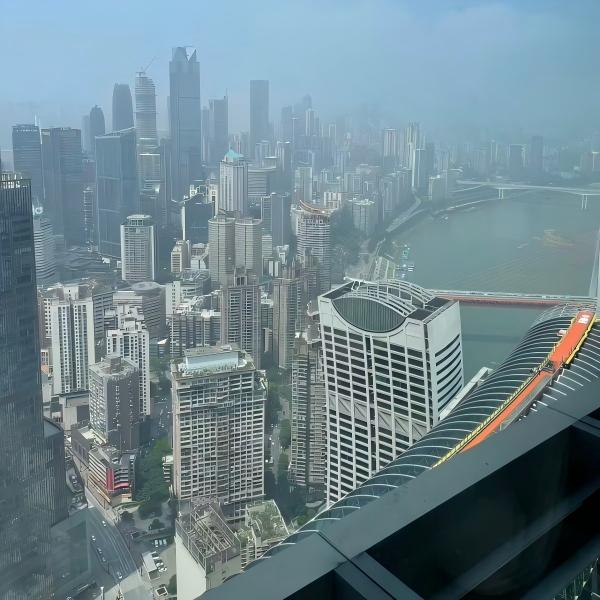
For food lovers, China’s culinary landscape is as diverse as its geography, and travelling to a city for a single dish has become a defining trend. The 2026 graduation season list of top food destinations ranks Chengdu, Chongqing, Xi’an, Changsha, Wuhan, Shantou, Liuzhou, Yanji, Guangzhou, and Xiamen as the top ten cities for food enthusiasts. In Chengdu, home to hotpot, dandan noodles, and egg cakes, every meal is an adventure in spice and aroma. Chongqing delivers spicy noodles, sour and spicy glass noodles, and sweet dumplings against a dramatic mountain‑city skyline. Xi’an invites you to savour meat burgers, cold noodles, and pita bread soaked in lamb soup – flavours that have sustained travellers on the Silk Road for centuries. Changsha seduces with stinky tofu, sugar‑oil cakes, and spicy crayfish. Wuhan offers hot-dry noodles, three-delicacy bean skin, and thick soup noodles – breakfast staples that fuel a city. Shantou is the home of beef hotpot, raw seafood marinades, and oyster omelettes. Liuzhou serves up river snail rice noodles, duck feet stew, and stir‑fried snails – a pungent, addictive bowl that has become a global phenomenon. Yanji, an emerging food destination, delights with Korean cold noodles, stone‑pot rice, and rice sausages. Guangzhou offers Cantonese morning tea, clay pot rice, and double‑layer milk custard – a world‑renowned culinary tradition. Xiamen rounds out the list with sand tea noodles, oyster pancakes, and ginger duck. But food tourism is about more than eating; it is about understanding place and people. In Yanji, visitors extend their trip to Mao’er Mountain National Forest Park, turning a meal into a deeper exploration of nature and culture. We design culinary journeys that connect you to local markets, family‑run kitchens, and the stories behind every dish.
Across all these interests, one thing is clear: travellers are moving from passive sightseeing to active participation. Custom tour bookings have grown 110 percent, small‑group tours are up 27 percent, and chauffeur‑driven tours have surged over 40 percent. Searches for river tracing, fruit picking, and mountaineering have jumped 130 percent year on year. County‑level tourism orders have grown 82 percent. The era of getting on the bus to sleep and getting off to take photos is over. Travellers want to play like locals, find hidden gems, and pursue emotional value and deep experiences.
This is where bespoke travel truly shines. We do not offer one-size-fits-all packages. We listen to your passions – whether they are culture, history, industry, food, adventure, or something entirely unique – and we build a journey around them. Our local guides are historians, ethnographers, food critics, and industry insiders who live in the destinations they lead. They know the side gates, the family recipes, the factory floor managers, and the festival dates that no guidebook contains. From the ancient temples of Luoyang to the robotic arms of a Shanghai car plant, from a bowl of noodles in a Chongqing backstreet to a sunset over the Li River, we put you where your interests lead. Contact us today – and let us turn your curiosity into the journey of a lifetime.