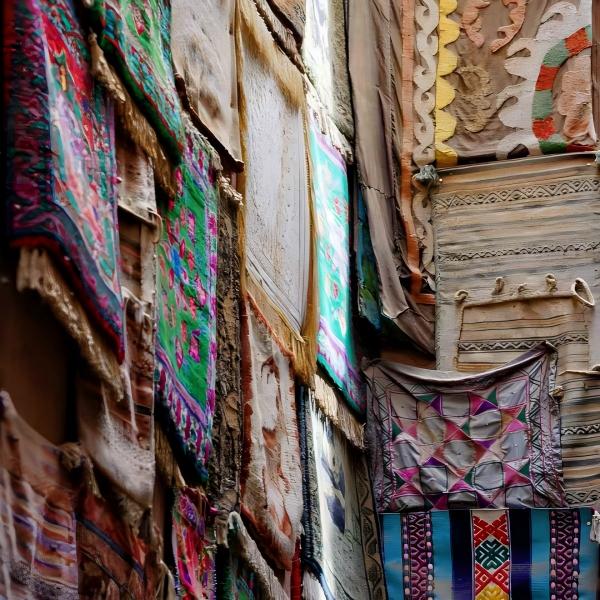
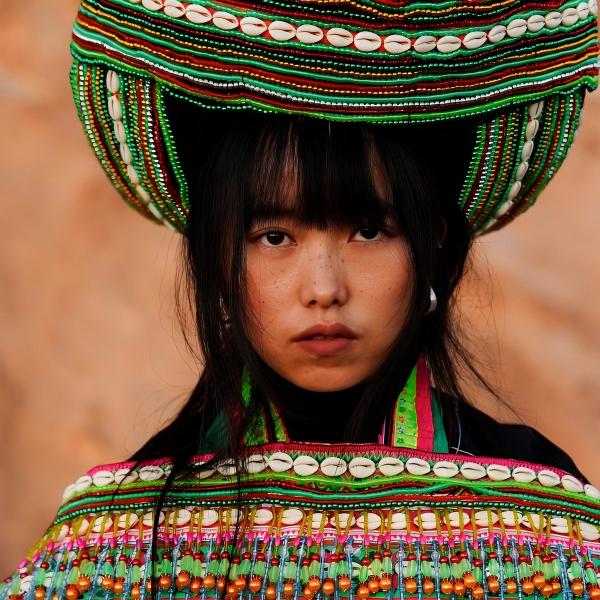
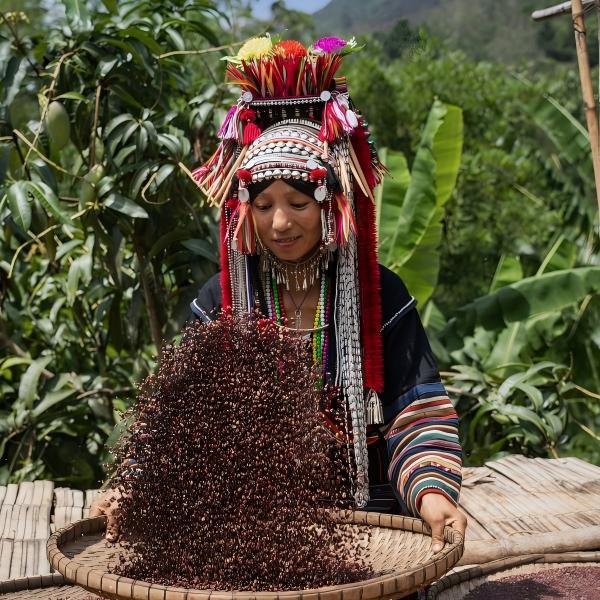
China is officially home to 55 ethnic minority groups, each with its own language, costume, architecture, music, and festivals. Together they celebrate over 1,200 traditional festivals every year. These communities are not museum pieces; they are living cultures where age-old techniques and beliefs remain part of daily life. Exploring these regions is one of the most profound travel experiences China offers.
The heart of ethnic minority tourism beats in five provincial “kingdoms” – Yunnan, Guizhou, Guangxi, Tibet, and Xinjiang. Yunnan alone is home to 25 minority groups, from the Dai and Bai to the Naxi, Yi, Hani, Lisu, Miao, Zhuang, and Tibetan. In Kunming, the Yunnan Nationalities Village brings 25 cultures together in one place, with reconstructed Bai pagodas, Dai white stupas, Yi totem poles, and Naxi Dongba script exhibits. Guizhou is often described as the “kingdom” of minority cultures, ideal for those seeking authentic rural life.
Guizhou’s Zhaoxing Dong Village is the largest Dong settlement in China, famed for its wooden drum towers, wind-and-rain bridges, and the UNESCO-recognised Grand Song of the Dong people. In 2025, Zhaoxing welcomed 919,000 visitors between January and August, a year-on-year increase of 48.85 percent. Nearby Huanggang Village became Guizhou’s first UNESCO “Best Tourism Village” in 2025, recognised for its intangible cultural heritage preservation and sustainable development. Xijiang Miao Village, the largest Miao settlement in China, is famous for its stilted wooden houses, ornate silver jewellery, and lively festivals. Other standout Miao destinations include Langde Upper Miao Village and the “last gunslinger tribe” of Basha Miao Village. The Gelao people’s Longtan Ancient Village in Guizhou’s Wuchuan offers another window into minority life, with its thousand-year-old stone houses and the annual New Grain Festival featuring long-table banquets.
In Yunnan, Lijiang’s Old Town is a UNESCO World Heritage site set against the Jade Dragon Snow Mountain, home to the Naxi people and their unique Dongba script – the world’s only living pictographic writing system. Dali, on the shores of Erhai Lake, is a Bai cultural heartland where tie-dye workshops in Xizhou Ancient Town have seen search interest rise 67 percent, with visitors learning this centuries-old craft hands-on. Xishuangbanna, in Yunnan’s tropical south, is the land of the Dai people, famous for the Water Splashing Festival – the Dai New Year celebrated each April with temple ceremonies, Buddha bathing, and joyous water battles in the streets.
Guangxi is home to the Zhuang, China’s largest minority group, and the Yao people, who continue rice farming on misty terraced mountainsides. The Longji Rice Terraces in Guilin are a spectacular example of Yao and Zhuang agricultural heritage. Hunan and Hubei are home to the Tujia and Miao peoples, with ancient towns like Fenghuang offering a glimpse into their distinctive stilt-house architecture and woven brocade traditions. Sichuan’s Liangshan Prefecture is the homeland of the Yi people, whose Torch Festival in July transforms the region into a “carnival of the East” with torch parades, traditional wrestling, horse racing, and vibrant costume displays. Danba Tibetan villages in western Sichuan, known as the “land of a thousand watchtowers,” have been recognised as UNESCO Best Tourism Villages for their stunning stone碉楼 and colourful嘉绒 embroidery.
On the high plateau, Tibet’s Lhasa, with its Potala Palace and Jokhang Temple, offers a spiritual journey unlike any other. Tibetan Buddhist culture permeates every aspect of life, from prayer flags and mani stones to the Shoton Festival, when giant thangka paintings are unfurled on hillsides. In the northwest, Xinjiang is home to the Uyghur, Kazakh, Kyrgyz, Tajik, and Tuvan peoples. The Tuvan village of Hemu in the Altai Mountains, often called “God’s back garden,” sits beside the turquoise waters of Kanas Lake, with wooden cabins set against snow-capped peaks. White Haba Village, another Tuvan settlement, is known as the “first village of the northwest”. Gansu’s Zhagana, a Tibetan village perched at 3,000 metres in the Diebu mountains, feels like a hidden Shangri-La surrounded by forested peaks.
Festivals are the heartbeat of ethnic minority travel. The Water Splashing Festival of the Dai attracts international visitors each April. The Torch Festival of the Yi lights up Sichuan, Yunnan, and Guizhou every July. The Miao New Year and the Dong New Year draw global visitors with their grand choral performances and community feasts. The She people’s “March Third” Festival in Zhejiang and Fujian attracts over 200,000 visitors annually. The Nu people’s “Mountain Turning” Festival around Lugu Lake brings thousands of Mosuo people and visitors together at the foot of Goddess Gemu Mountain. The Zhuang’s “March Third” in Guangxi has seen search interest surge 402 percent, with visitors searching for five-colour glutinous rice, bronze drums, and handmade embroidered balls. Across the country, over 1,200 minority festivals happen each year – most are living community traditions, not staged performances.
Immersive travel is reshaping ethnic tourism. Travellers no longer want to just watch; they want to participate. In Guizhou’s Hongyang Miao Village, visitors are welcomed with “blocking door wine,” join in lusheng dancing, pound sticky rice, catch fish in rice paddies, and gather around bonfires. In Yunnan’s Jinuo Mountain villages, rainforest trekking has become a major draw, with over 30 themed trails offering jungle zip-lining, strangler fig descents, and storytelling about Jinuo folklore. In Sichuan’s Dechang County, Lisu families offer costume photography, fire-grass weaving lessons, and bamboo-tray feasts. In Guizhou’s Matang Gejia Village, visitors learn ancient batik techniques passed down through generations. In Guizhou’s Rongjiang County, the “Village Super League” football matches, featuring local farmers and artisans, have become a nationwide phenomenon, with traditional singing and dancing performed during halftime. “Village BA” basketball in Taijiang County brings similar energy, with Miao cultural performances woven into the sporting events.
The trend of “travelling to the counties” has also boosted lesser-known minority destinations. County-level tourism orders have grown 82 percent, with places like Arxan in Inner Mongolia, Tengchong in Yunnan, and Yanji in Jilin gaining popularity. Tengchong’s Heshun Town and the Wa village of Simola have become national AAAA scenic spots, with colourful rice terraces and daily Wa cultural performances drawing over 2,000 visitors per day. Lugu Lake, shared by Yunnan and Sichuan, is home to the Mosuo people – one of the world’s last matrilineal societies – and has seen visitor numbers grow over 21 percent.
Responsible travel is essential in these communities. We ask visitors to ask permission before photographing people, support local artisans directly, learn a few words in the local language, and travel as humble guests in someone else’s home. Our tours partner with local families, hire local guides, stay in locally-owned guesthouses, and eat at family-run restaurants – ensuring your spending supports the communities you visit.
From the Dai water battles of Xishuangbanna to the Yi torch fires of Liangshan, from the Miao silver villages of Guizhou to the Tibetan watchtowers of Danba, from the Tuvan log cabins of Xinjiang to the Wa rice terraces of Yunnan – China’s ethnic minority regions offer a tapestry of living cultures unmatched anywhere in the world. Let us design a journey that takes you not just to see, but to connect, to learn, and to belong.
Contact us today – your journey into China’s living cultures begins here.