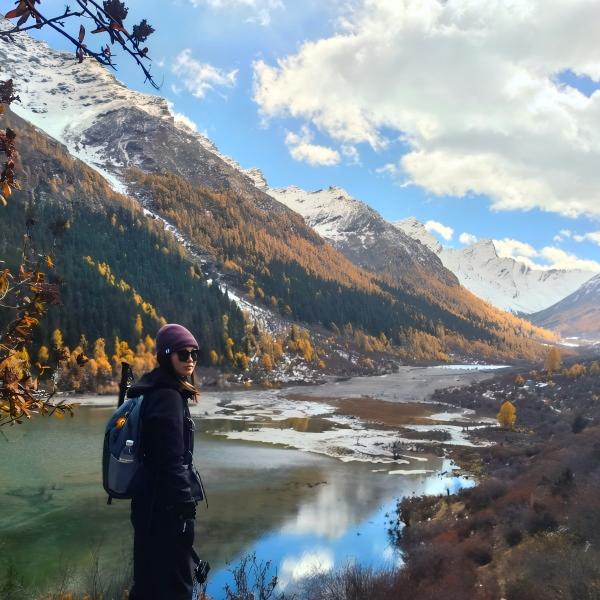
For the ancient trails that wind through mist-shrouded peaks, for the gorges that cut deeper than any canyon on earth, for the places where the only sounds are your own breath and the wind moving through bamboo. At Trekking & Hiking Tours, we do not offer bus tours or cable-car sightseeing. We offer the simple, profound experience of putting one foot in front of the other through some of the most spectacular landscapes on the planet. Whether you are a beginner looking for gentle nature walks or an experienced trekker ready to conquer vertical cliffs and high-altitude passes, we design journeys that match your fitness, your ambition, and your sense of adventure.
China’s hiking landscape is one of the most diverse and breathtaking in the world. From the snowy peaks of the Tibetan Plateau to the surreal sandstone pillars of Zhangjiajie, from the deep gorges of Yunnan to the wild, crumbling sections of the Great Wall, the country offers trails for every level and every season. The rise of “sportcation” – combining sports training with leisure travel – has seen searches for hiking, trekking, and mountaineering surge. Hiking-related travel product bookings have grown 126 percent month-on-month. This is not a niche activity anymore. This is how a new generation of travellers chooses to explore China.
Classic Treks – The Icons That Define Chinese Hiking
Tiger Leaping Gorge, Yunnan – This is arguably China’s most famous multi-day trek, and for good reason. Stretching 16 kilometres along the Jinsha River, the gorge is one of the deepest in the world, with the river cutting between the 5,600-metre peaks of Jade Dragon Snow Mountain and Haba Snow Mountain. The High Trail offers two days of dramatic cliffside walking, with guesthouses like the legendary Halfway Guesthouse providing sunrise views that will stay with you forever. The trail is divided into upper, middle, and lower sections, allowing you to choose your distance and difficulty. Best visited from September to November, when the rainy season has passed and the skies are clear.
The Great Wall, Beijing – Yes, you can hike the Great Wall. While the full 21,000-kilometre length would take years, sections like Jiankou to Mutianyu offer unforgettable multi-day treks far from the tourist crowds. Jiankou presents the raw charm of the wild Wall – crumbling watchtowers, narrow ridges, and dramatic cliffside paths that showcase the Wall’s original appearance over centuries. The Jinshanling section offers a mix of restored and unrestored wall, with spectacular views and fewer visitors. For the truly dedicated, five-day treks across multiple sections are available, with daily elevation gains of 300 to 500 metres.
Mount Huashan, Shaanxi – Widely considered one of the most dangerous hikes in the world, Huashan is not for the faint-hearted. The highlight is the seven-century-old Plank Walk in the Sky – a narrow wooden pathway nailed to the side of a vertical cliff near the south peak. After renting a safety harness, you descend a steep canyon and walk along a path that has terrified visitors for centuries. For those who prefer to keep their feet on solid ground, there are gentler routes that pass through Taoist temples and precariously perched buildings. The sunrise from the East Peak is legendary.
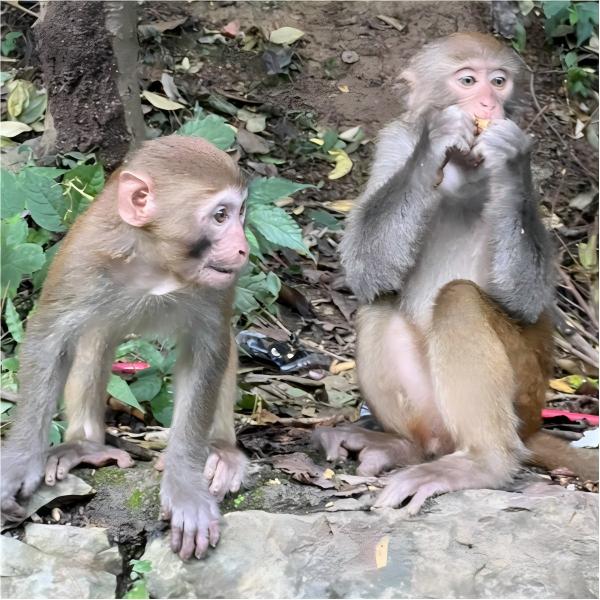
Mount Emei, Sichuan – One of China’s four sacred Buddhist mountains, Emei offers a spiritual journey as much as a physical one. The full hike to the 3,079-metre Golden Summit is approximately 50 kilometres and takes two days, though many opt for a combination of hiking and cable cars. Those who reach the summit before dawn are treated to a sea of clouds and a spectacular sunrise. On rare occasions, you might witness the “Buddha’s halo” – a colourful ring of light reflected on the clouds below. Along the way, keep an eye out for the cheeky Tibetan macaques, also known as Emei sacred monkeys.
Huangshan (Yellow Mountains), Anhui – China’s most iconic mountain landscape, Huangshan is famous for its mist-shrouded granite peaks, ancient pine trees clinging to cliffs, and seas of clouds drifting through the valleys. The hiking trails here range from gentle walks to steep ascents, with well-maintained stone steps leading you through a landscape that has inspired Chinese painters and poets for over a thousand years. Spring and autumn offer the clearest views and most comfortable temperatures.
Zhangjiajie, Hunan– The soaring sandstone pillars of Zhangjiajie National Forest Park inspired the floating mountains in the film Avatar. Trails like Tianzi Mountain, Yuanjiajie, and Golden Whip Stream offer breathtaking scenery through this otherworldly landscape. For those seeking thrills without extreme hiking, glass skywalks and scenic elevators provide vertiginous views. The park’s entrance fee is valid for four days, giving you plenty of time to explore.
Hidden Gems and Emerging Destinations – Where the Crowds Haven’t Found Yet
Yubeng Village, Yunnan – Tucked deep in the mountains of Deqin County, Yubeng is a Tibetan village that can only be reached on foot. The trek to Yubeng takes you through primeval forests, past alpine lakes like the stunning blue Ice Lake, and offers views of the snow-capped peaks of the Meili Snow Mountain range. The classic loop takes two days, covering approximately 12 kilometres with 800 metres of cumulative ascent. Many combine Yubeng with Tiger Leaping Gorge for a week-long Yunnan hiking adventure.
Altay, Xinjiang – In June, while much of China bakes in 35-degree heat, Altay offers a perfect 22 degrees with no mosquitoes. The golden lotus flowers bloom across the grasslands, creating seas of yellow against the snowy peaks of the Altai Mountains in the distance. Three hiking routes cater to different levels: a 5-kilometre grassland loop for beginners, an 8-kilometre trail from Hemu Village to Beautiful Peak for intermediate hikers, and a 12-kilometre route from Kanas Lake to the Twin Lakes for advanced trekkers. The Twin Lakes route is almost entirely free of tourists, passing through primeval forests, alpine meadows, and glacier relics. June is also the best season for camping in Altay.
Zhaoxing to Tang’an Terraces, Guizhou – Rated by China National Geography as one of China’s most beautiful hiking trails, this 7-kilometre rural route connects the Dong villages of Zhaoxing and Tang’an. In June, the terraces are flooded with water and the rice seedlings are lush green, creating layered patterns that look like the fingerprints of the earth. The trail is mostly flat with gentle slopes, making it accessible even for beginners. Along the way, you pass through pristine Dong villages, walk along terrace ridges, and enjoy mountain springs and misty valley views.
Wawu Mountain, Sichuan – This cliff and waterfall hiking trail combines grandeur, wonder, steepness, and elegance. Located within Wawu Mountain Scenic Area, it offers a dramatic landscape of towering cliffs and cascading water.
Changbai Mountain, Jilin – A forest secret land hiking route selected as an international mountain hiking tourism demonstration route in 2025. The mountain is home to a stunning crater lake and offers some of the most pristine forest hiking in northeast China.
Qinling Mountains, Shaanxi– Most visitors only see the regular attractions, missing the true secret realms deep in the Qinling Mountains. In June, the streams are cool and the forests are lush green, making it the best season for outdoor activities. Stream trekking is particularly popular here.
Wulong Karst, Chongqing – This UNESCO World Heritage site has been transformed into a global outdoor sports paradise. Wulong has formed a comprehensive outdoor project system covering hiking, cycling, caving, rappelling, stream trekking, and winter sports. It has also established a strategic cooperation with the National Sports Administration’s Mountaineering Management Centre to systematically develop a karst three-dimensional ecological outdoor sports resource library.
Emerging Trends – What’s Shaping China’s Hiking Scene
The Rise of “Painless” Hiking – A new trend is sweeping China’s mountains: “painless” or “effortless” hiking. Scenic areas across the country are installing cable cars, escalators, and gentle boardwalks that allow visitors to enjoy mountain views without the physical strain. This has made mountain hiking accessible to a much wider audience, including families, seniors, and those who might otherwise never experience China’s high places.
Sportcation – The Weekend Warrior’s Dream – The concept of “sportcation” – combining sports training with leisure travel – has taken off among 20-to-35-year-olds. Two-to-three-day short trips account for more than half of all sportcation bookings. Popular destinations include Zhejiang’s Tonglu Maling Ancient Path, Yunnan’s Pu’er Tea Horse Ancient Path, Jilin’s Changbai Mountain, and Jiangxi’s Wugong Mountain.
Tropical Rainforest Trekking – Rainforest destinations like Hainan’s Yanoda Rainforest Cultural Tourism Zone offer stream play, rainforest expansion, high-altitude slacklining, and rainforest hiking. These destinations are particularly popular with families, study tour groups, and young adventurers.
County-Level Hiking Destinations – Lesser-known county-level destinations are emerging as hiking hotspots. Places like Altay in Xinjiang, Zhangjiakou in Hebei, Aba in Sichuan, Enshi in Hubei, and Qianxinan in Guizhou are becoming popular among hiking enthusiasts.
Practical Information – What You Need to Know
Best Seasons– Spring (April to June) offers mild weather and flowers in bloom. Summer (July to August) is best for high-altitude destinations on the Tibetan Plateau. Autumn (September to November) is considered the best season by many, with crisp, dry weather and spectacular autumn foliage. Winter offers snow-capped peaks for those prepared for cold conditions.
Gear and Preparation – Proper hiking boots, layered clothing, sunscreen, and sufficient water are essential. For high-altitude treks, allow one to two days for acclimatisation. Avoid rushing, jumping, or moving too quickly; take regular breaks to prevent altitude sickness. Consider hiring a local guide for remote or challenging routes.
What’s Included in Our Tours
– Hotel pickup and drop-off, private or small-group transport, English-speaking guides with local knowledge, entrance fees, permits for restricted areas, and accommodation along the route. Some tours include meals and camping equipment.
At the end of a long day on the trail, when your legs are tired and your lungs are full of mountain air, you will understand something that no guidebook can teach you: that China is not just a country to be seen – it is a country to be walked. Every step reveals a new perspective. Every summit offers a new reward. Every trail becomes a story you will carry with you long after you have returned home.
We do not promise you luxury hotels or air-conditioned buses. We promise you something rarer: the freedom of the open trail, the camaraderie of fellow hikers, and the quiet satisfaction of having earned every view. From the vertical cliffs of Huashan to the gentle terraces of Guizhou, from the snowy peaks of Sichuan to the wild wall of the north, we design journeys that match your spirit of adventure.
Contact us today. Your next great hike is waiting. All you need to do is take the first step.