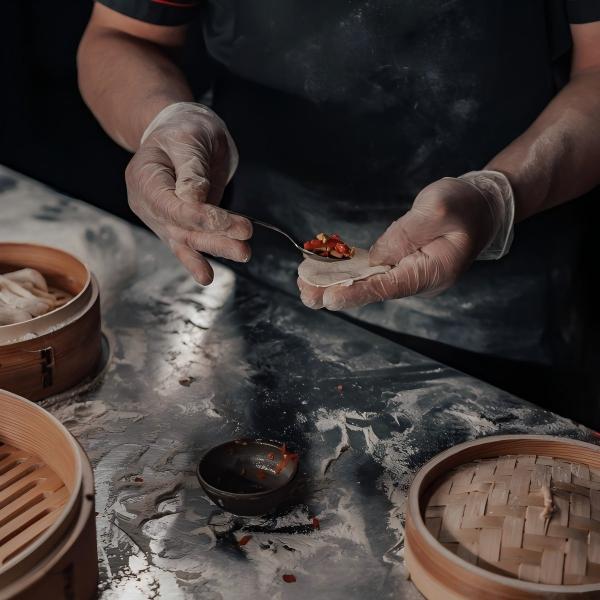
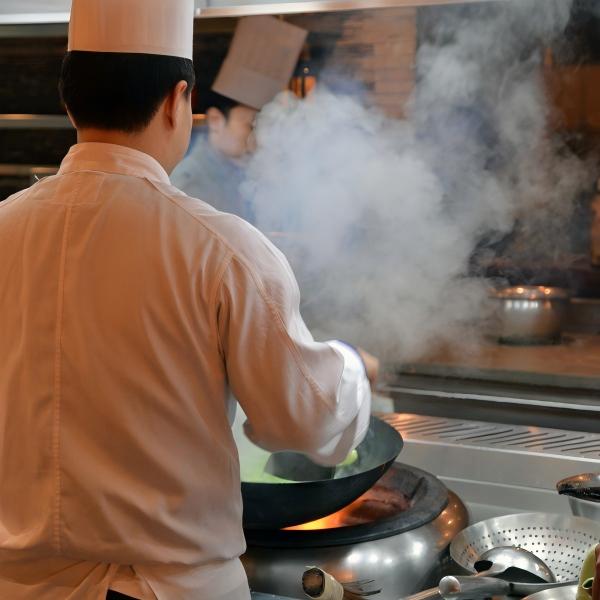
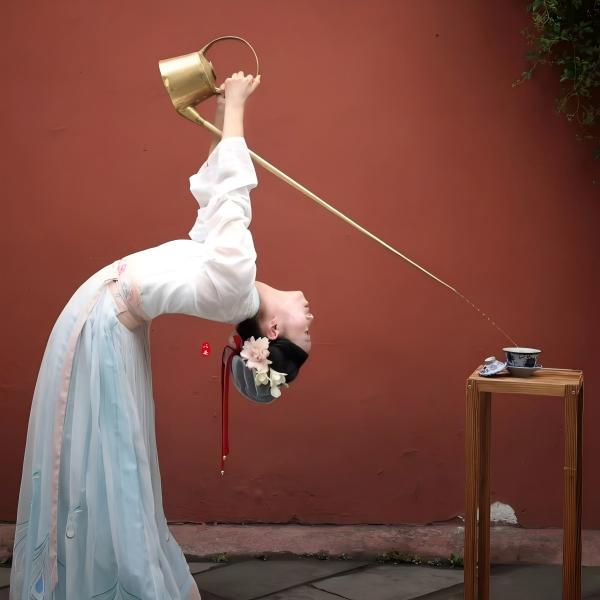
Every food lover is different. Some come to master the fiery wok skills of Sichuan, others to perfect the delicate art of dim sum, and many simply to understand the philosophies and traditions behind China’s extraordinary culinary diversity. At Cuisine Learning Tours, we do not offer fixed itineraries. We listen to your tastes, your skill level, and your curiosity – and we build a journey that fits you perfectly. Whether you are a home cook, a professional chef, a food writer, or simply someone who believes that the best way to understand a culture is through its kitchen, we take you behind the scenes and into the heart of China’s most flavourful traditions.
China’s culinary landscape is one of the richest and most diverse on earth. With eight major regional cuisines – Sichuan, Cantonese, Jiangsu, Zhejiang, Fujian, Hunan, Anhui, and Shandong – each with its own ingredients, techniques, and philosophies, the country offers an almost infinite range of learning experiences. The appetite for culinary travel has never been stronger. Searches for immersive food experiences continue to rise, and travellers are increasingly choosing destinations based on their culinary credentials. In a recent ranking of China’s top food cities, Chengdu, Chongqing, and Guangzhou took the top three spots, with Chengdu widely regarded as the undisputed capital of Chinese gastronomy. Smaller cities are also gaining recognition, with Jingzhou, Guilin, Tangshan, Sanya, Luoyang, Tianshui, Tongren, Jilin, Weihai, and Zibo all featuring prominently on emerging food tourism lists.
For the Sichuan Cuisine Enthusiast: The Fire and The Flavour
Sichuan cuisine is perhaps China’s most famous culinary export, known for its bold use of chilli, Sichuan peppercorn, and the legendary “ma-la” numbing-spicy sensation. Chengdu, the capital of Sichuan province, is the epicentre of this culinary tradition and the ideal place to begin any serious culinary learning journey.
We arrange private cooking classes in traditional kitchens located within Chengdu’s iconic Kuanzhai Alley, where you can learn from master chefs trained in Michelin-starred kitchens. Your day begins with a guided visit to a bustling local market, where you select the freshest ingredients alongside your instructor. You will learn authentic seasoning techniques, precision knife skills, and the art of wok control – including the elusive concept of “wok hei,” the breath of the wok that gives stir-fried dishes their distinctive smoky flavour. You might tackle classics like Kung Pao chicken or Mapo tofu, dishes that require the perfect balance of heat, spice, and texture. Each participant receives a signed certificate – a unique souvenir of your Chengdu culinary adventure.
For a deeper immersion, we take you to the Sichuan Cuisine Museum, the world’s only “edible museum,” where you can explore centuries of culinary history through interactive exhibits and hands-on experiences. The museum displays cooking utensils dating from the Neolithic period to the modern era, alongside exhibits on the origins of chilli, doubanjiang fermented bean paste, and hotpot. After a guided tour, you will participate in a masterclass preparing three classic Sichuan dishes under the guidance of bilingual, experienced instructors. You will learn the knife skills and cooking techniques that define this extraordinary cuisine, and enjoy your creations in the museum’s tranquil garden setting. Round-trip transport from your hotel is included, and you will receive a certificate upon completion.
For the Market-to-Table Experience: Freshness and Authenticity
The best Chinese cooking starts at the market, and we design experiences that begin where the food does. In Shanghai, we arrange half-day private cooking classes that start with a guided tour of a bustling local wet market. You will select seasonal produce, fresh seafood, and aromatic spices, learning from your chef-guide how to identify the highest quality ingredients. Then you will return to a professional kitchen to transform your market haul into a feast of dumplings, steamed buns, and other Chinese classics. In Xi’an, we offer immersive classes focused on the art of hand-pulled noodles – from kneading and resting the dough to stretching it into wide, belt-like ribbons. You will gain a deep understanding of traditional Chinese noodle-making techniques and the regional food culture that surrounds them.
For the Professional and Serious Student: Accredited Culinary Education
For those seeking more than a single class, we arrange extended programmes at China’s leading culinary institutions. The Sichuan Tourism University, home to what is known as the “largest kitchen complex in Asia” with 21,800 square metres of dedicated cooking and food education facilities, offers structured courses ranging from basic knife skills to advanced regional cuisine specialisation. Students can follow a curriculum that includes Chinese cuisine techniques, Western culinary arts, and food science, all taught in a professional environment with world-class equipment.
In Chongqing, we offer access to the “Bayu Culinary Culture Journey,” an 18-day programme consisting of 110 hours of systematic instruction delivered through a “theory plus practice plus culture” teaching model. Based at a national-level culinary training facility, participants learn from professional chefs, practise in world-class competition-standard kitchens, and gain deep cultural insights through field trips and cultural activities. Past participants have included students from universities around the world, all seeking to understand not just Chinese cooking techniques, but the philosophy and cultural context that make Chinese cuisine unique.
In Zhejiang province, we arrange week-long intensive programmes focused on the refined traditions of Jiangnan cuisine, including seasonal dish design, seafood preparation, and the art of dim sum. In Jiangsu, we offer study tours centred on Huaiyang cuisine – one of China’s most sophisticated culinary traditions, known for its meticulous ingredient selection, precise knife work, and elegant presentation. Participants learn cold-plate presentation, braising techniques, and the art of decorative dumpling making.
For the Intangible Cultural Heritage Explorer: Living Traditions
China’s culinary intangible cultural heritage is increasingly recognised as a vital part of the country’s cultural identity, and culinary heritage tourism has become one of the fastest-growing segments of the travel industry. The recently launched “Sichuan Intangible Cultural Heritage Food Map” identifies eight themed routes that connect visitors with the living traditions of Sichuan’s culinary culture, including the Western Sichuan Sky Route, the Sichuan-Tibet Taste Route, the Northern Sichuan Secret Path, and the Boiling Southern Sichuan Route. Each route integrates intangible cultural heritage skill demonstrations, heritage workshop experiences, and local specialty shopping into the travel experience.
We design custom itineraries that follow these heritage trails, taking you to the source of China’s most treasured culinary traditions. In Sichuan, you can visit the home of Pixian doubanjiang, where the famous fermented bean paste has been made using a three-hundred-year-old method of sun-drying and露天 fermentation. In Shanxi, we arrange visits to traditional vinegar breweries where the ancient craft of “pine flower cellar” fermentation is still practised. In Yunnan, we take you to tea mountains where you can learn the traditional techniques of Pu’er tea processing from masters who have inherited these skills through generations.
For the Factory and Industrial Food Explorer: Behind the Brands
China’s food and beverage industry has embraced industrial tourism with remarkable enthusiasm, and we offer exclusive access to some of the country’s most fascinating food production facilities. In Chongqing, we arrange visits to hotpot seasoning factories where visitors can observe the entire production process and participate in DIY hotpot base workshops. In Sichuan, we take you to soy sauce breweries where traditional methods of sun-drying and露天 fermentation are still practised, with visitors able to observe the complete production chain from raw materials to finished product. In Fujian, we offer tours of chocolate factories that have been developed as national A-grade scenic areas, combining production, research and development, sightseeing, and interactive experiences.
In Shandong, the Tsingtao Beer Museum – housed in the original 1903 brewery – offers a journey through the history of Chinese brewing, with interactive exhibits and fresh beer tastings straight from the historic plant. In Sichuan, leading baijiu producers like Wuliangye and Luzhou Laojiao have both been designated national industrial tourism demonstration bases, offering behind-the-scenes access to historic cellars, fermentation pits, and production lines.
For the Street Food and Regional Speciality Hunter: Flavours of the People
Some of China’s most memorable culinary experiences are found not in restaurants but on street corners and in humble family-run stalls. We design tours that take you into the heart of China’s street food culture, introducing you to the vendors and cooks who keep these traditions alive. In Chengdu, we arrange guided street food tours through the city’s famous snack streets, where you can sample everything from dan dan noodles to spicy rabbit heads. In Xi’an, we take you to the Muslim Quarter, where the flavours of the Silk Road come alive in sizzling skewers and hand-pulled noodles. In Guangzhou, we explore the world of dim sum, visiting the city’s most celebrated tea houses and learning the art of Cantonese morning tea.
Our street food experiences go beyond tasting – we arrange hands-on workshops where local chefs and street vendors reveal their cooking secrets. You will learn to prepare the perfect dumpling dough, season meats with traditional Chinese spice blends, and master the techniques of grilling and stir-frying that define China’s street food culture.
For the Halal Food Enthusiast: A Culinary Journey Through China‘s Muslim Heritage
China’s Muslim communities have been shaping the country‘s culinary landscape for over a thousand years. From the ancient Silk Road trading posts of Xinjiang to the bustling halal food streets of Beijing’s Niujie neighbourhood, halal cuisine is not a niche – it is a living, breathing tradition that spans dynasties, deserts, and diverse ethnic groups. At Cuisine Learning Tours, we design bespoke halal culinary journeys that honour these traditions, connecting you with master chefs, family-run kitchens, and communities where food is both faith and culture.
Beijing‘s Niujie – The Heart of Halal in the Capital
Niujie, or Ox Street, is Beijing’s oldest and largest Muslim neighbourhood, with a history stretching back over a thousand years. In 2003, Niujie became home to Beijing‘s first and largest halal food supermarket, a landmark in the city’s halal retail scene. Today, the neighbourhood is a vibrant destination where visitors can explore historic mosques, wander through ancient hutong alleyways, and sample some of the city‘s most authentic halal street food.
We arrange private halal food tours through Niujie that go far beyond the typical tourist experience. Our guides take you to the stalls where locals actually queue – no tourist menus, just the real flavours that have sustained Beijing’s Muslim community for generations. You will taste freshly grilled lamb skewers with crispy, golden-brown exteriors, savour fragrant beef offal noodles, and discover hidden gems like the Beijing-style halal dishes that were once favourites of the Empress Dowager Cixi. Along the way, you will visit the neighbourhood‘s historic mosques and learn about the Muslim culture that has flourished in Beijing since the Liao Dynasty. Tours can accommodate vegetarian, vegan, and gluten-free dietary needs, and include hotel pickup and private guiding.
Xi‘an’s Muslim Quarter – Where Silk Road Flavours Come Alive
Xi‘an, the ancient capital of China and the eastern terminus of the Silk Road, is home to one of the country’s most celebrated halal food destinations: the Muslim Quarter, known locally as Huimin Jie. This sprawling network of streets has been a Muslim neighbourhood since the late Northern Song Dynasty. Today, it is a sensory overload of sizzling grills, aromatic spices, and centuries-old culinary traditions.
We design immersive halal food experiences in Xi‘an that begin with a walk through the quarter’s cobblestone streets, lined with Ming and Qing-style architecture and shops run by Muslim families for generations. You will learn the art of hand-pulling noodles, watch lamb skewers grilled over charcoal, and taste the dishes that define this extraordinary culinary heritage: the rich, savoury lamb and pita bread soup that requires you to tear the bread into tiny pieces by hand; the juicy, soup-filled halal dumplings; the crispy, golden whole chicken that has become a modern favourite; and the tender, steamed beef in a rich broth. You will also discover traditional halal pastries like mung bean cakes stuffed with walnuts, and sip on locally made sour plum drinks or the iconic local soda.
Beyond the food, we arrange visits to the Great Mosque of Xi‘an – a hidden gem tucked away in the heart of the Muslim Quarter, where Chinese architectural forms meet Islamic spiritual traditions. Your guide will explain the history of Islam in China, the cultural fusion that defines Hui Muslim identity, and the culinary principles that make halal food both a religious practice and an art form. For those seeking a deeper experience, we offer multi-day itineraries that combine Xi‘an’s halal food scene with visits to the Terracotta Warriors and the ancient city walls.
Gansu‘s Linxia – The Hidden Gem of Halal Cuisine
Linxia, in Gansu province, is one of China’s most overlooked halal food destinations – a hidden treasure that food lovers are only just discovering. Known as the “Hometown of Chinese Islamic Culture,” Linxia is home to the remarkable Eight Mosques and Thirteen Alleys, a historic neighbourhood that has evolved around eight mosques and thirteen ancient lanes since the Tang Dynasty. The architecture alone is worth the journey: white walls, grey tiles, and intricate Hui-style brick carvings that are masterpieces of Islamic-Chinese fusion.
But it is the food that truly sets Linxia apart. The city‘s halal cuisine is a living history of the Silk Road, blending nomadic traditions with agricultural refinement and the memory of ancient trade. We arrange hands-on culinary experiences where you will learn to prepare the dishes that define this region: hand-grabbed lamb, selected from local quality sheep and slowly braised until tender and free of gamey taste; Hezhou flatbread, a fragrant bread seasoned with aromatic spices and flaxseed oil; and the iconic stuffed intestine snack, a traditional speciality that originated with Yuan Dynasty Muslim troops. You will also taste fermented rice dumplings, fried dough twists, Hezhou steamed buns, and Dongxiang hand-grabbed lamb – each dish a chapter in the story of multi-ethnic fusion. In the evenings, the lantern-lit alleys of the old quarter come alive with street vendors and the sounds of local folk songs, which are recognised as intangible cultural heritage.
Ningxia – The Halal Heartland
Ningxia Hui Autonomous Region is China‘s undisputed halal heartland, where dietary standards shape every aspect of daily life. The region’s capital, Yinchuan, hosts the China Halal Snack Food Festival, an annual celebration featuring opening ceremonies, tasting events, cooking demonstrations, and competitions. But the real treasures are found in the region‘s smaller cities and towns.
In Guyuan, where the Hui population exceeds 40 percent, halal food is not a specialty – it is the norm. We arrange cooking classes with local families, where you will learn to prepare the region’s signature dishes: sweet and sour Yellow River carp, steamed young lamb, mixed lamb offal soup, and lamb pita bread soup. In Longde County, you will taste hand-grabbed lamb made from local Tan sheep, prized for its tender, non-gamey flavour. In Yongning County, we take you to night markets themed around Hui culture, where you can sample dozens of halal specialities and experience the vibrant night economy of the region.
For those interested in the industrial side of halal food production, we arrange visits to facilities that annually process thousands of tonnes of raw beef and lamb, producing sausages and other meat products. You can observe the entire production chain – from the selection of high-altitude Dongxiang sheep to the traditional cooking methods that define regional specialities like hand-grabbed lamb and spicy pepper chicken.
Xinjiang – The Silk Road Feast
Xinjiang, China‘s vast northwestern region, offers some of the most distinctive halal cuisine in the country – a feast of flavours shaped by the Silk Road, Central Asian traditions, and the region’s diverse Uyghur, Kazakh, Kyrgyz, and Tajik communities.
In Ürümqi, we arrange tours of the international grand bazaar, where the air is thick with the aroma of roasting lamb, sizzling spices, and sweet dried fruits. You will taste whole roasted lamb, lamb skewers grilled on red willow branches, big plate chicken, and hand-pulled rice – a fragrant dish cooked with carrots and tender lamb. You will discover crispy baked buns stuffed with spiced lamb, a refreshing combination of yogurt, honey, and sticky rice, and the region‘s famous dried fruits: dates, raisins, apricots, and mulberries.
In Kashgar, we take you into the old city – a maze of earthen architecture that feels like stepping back in time. You will visit the Id Kah Mosque, Xinjiang’s largest Islamic place of worship, and sit in century-old tea houses, sipping brick tea while listening to elders play the muqam, the intangible cultural heritage music of the Uyghur people. In Shache, you will discover the legendary pigeon soup – a local speciality so beloved that locals say no pigeon leaves Shache alive.
Every halal meal in Xinjiang is prepared according to strict standards: meat sources must come from certified pastures, and the entire process – from slaughter to cooking – is supervised to ensure compliance with Islamic dietary laws. As our local guides explain, halal is not merely a set of rules; it is a profound respect for life, rooted in faith, that transforms every meal into a ritual of gratitude.
Beyond the Classics – Halal Food in Unexpected Places
Halal cuisine is not confined to the northwest. We design tours that uncover halal food traditions in cities across China. In Shanghai, we take you to the halal food street near the city centre – a hidden world of flavours that most visitors never discover. In Chengdu, we arrange halal hotpot experiences, where the region‘s legendary spice meets halal standards – a fusion that has even caught the attention of international investors. In Harbin, we combine halal food tours with the city’s famous ice and snow festival, offering a uniquely northern experience.
For the Halal Cooking Student – From Market to Table
For those who want to learn, we offer hands-on halal cooking classes across multiple destinations. In Ningxia, we arrange multi-day halal culinary programmes that include cooking lessons (lamb pita soup, beef noodle preparation, and other classics), multiple halal restaurant tastings, and guided market tours. In Xi‘an, we offer private classes focused on the techniques of the Muslim Quarter – hand-pulled noodles, dumpling-making, and the art of spice blending. In Beijing’s Niujie, we arrange workshops with local halal chefs who have been cooking in the neighbourhood for decades.
Our halal culinary programmes include visits to halal-certified suppliers, instruction on the principles of halal food preparation, and hands-on practice in professional kitchens. We accommodate all dietary requirements and skill levels, from complete beginners to professional chefs seeking to expand their repertoire.
Why Us
We are not a tour operator; we are your personal gateway to China’s extraordinary culinary landscape. We do not offer one-size-fits-all packages. We start with a conversation – about your cooking experience, your taste preferences, your dietary requirements, and your learning goals – and we design a journey that delivers exactly what you seek. Our local guides are chefs, food historians, and culinary insiders who understand the nuances of each regional cuisine. They are not just translators; they are connectors who open doors to kitchens, markets, and food communities that no guidebook can reveal.
We arrange private classes with master chefs, exclusive access to culinary institutions, market tours with professional buyers, and hands-on experiences that are simply not available to the general public. We handle every detail – permits, transport, interpretation, ingredient sourcing, and round-the-clock support. We can accommodate dietary restrictions, arrange vegetarian or halal options, and tailor the pace and difficulty of each class to your skill level.
From the fiery woks of Chengdu to the delicate dim sum of Guangzhou, from the hand-pulled noodles of Xi’an to the ancient brewing traditions of Shanxi, from the street food stalls of Shanghai to the heritage tea mountains of Yunnan – Cuisine Learning Tours offers a culinary journey that is as rich and diverse as China itself. Tell us what you want to learn, and we will build the journey that takes you there.
Contact us now– your culinary adventure begins here.